Here’s how Last Laugh Lion looked one year ago:
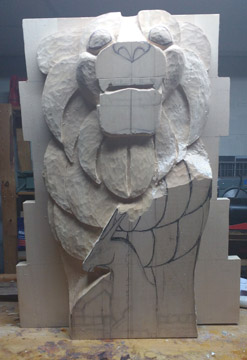
Last Laugh Lion, in progress, January 16, 2016
And here’s how he looks today:
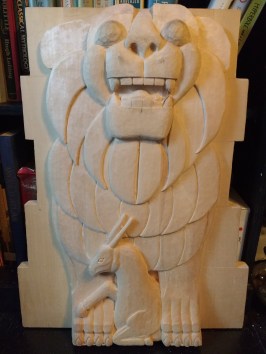
Last Laugh Lion, still in progress, January 14, 2017
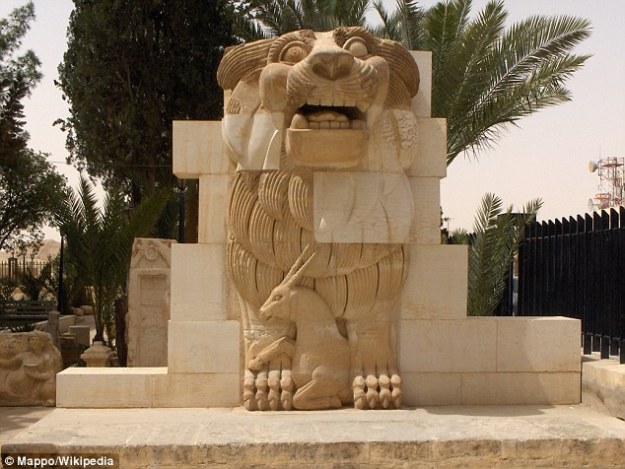
Still quite a ways to go though, when you consider the original:
Here’s how Last Laugh Lion looked one year ago:
Last Laugh Lion, in progress, January 16, 2016
And here’s how he looks today:
Last Laugh Lion, still in progress, January 14, 2017
Still quite a ways to go though, when you consider the original:
(Even if they do still need refining.)
Realized it’s been ages since I posted anything. Here’s how Last Laugh Lion looks today.
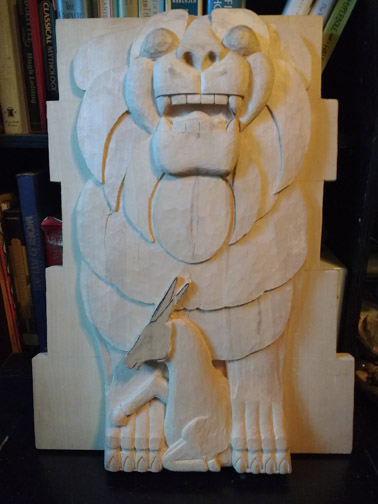
Last Laugh Lion (in progress). November 6, 2016
A little more progress on my leaf of the Maple Leaf Forever tree at the Ontario Science Centre. Starting the top of the left-hand sign. Any guesses what it is yet?
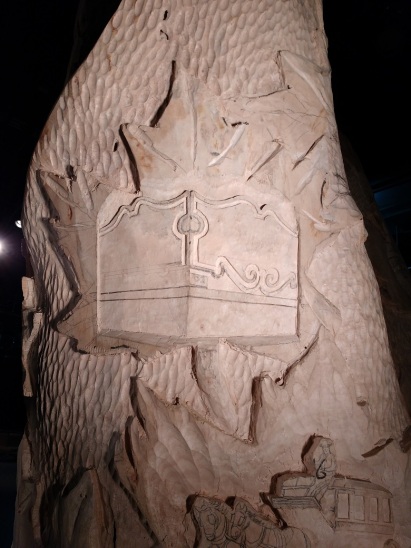
Maple Leaf Forever Tree carving in progress, June 5, 2016
And here we are, just a little over a day later.
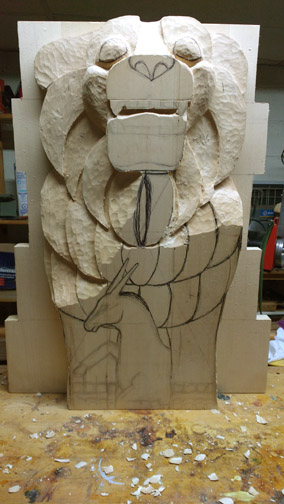
Lion, January 3, 2016
Happy New Year to all seven of you loyal and possibly misguided followers, whoever you may be.
Here’s what I’m working on now (early stages).
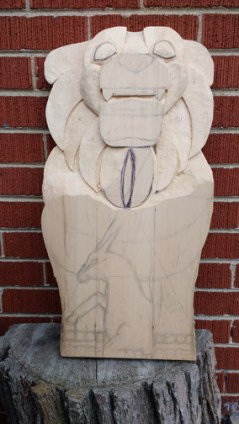
Last Laugh Lion, January 2016
Eventually, it will be a two-foot-high version of this.
Lion of al-Lat
I’ve been absent, but not idle. Here’s a picture of Trefour, now finished and guarding my desk at work.
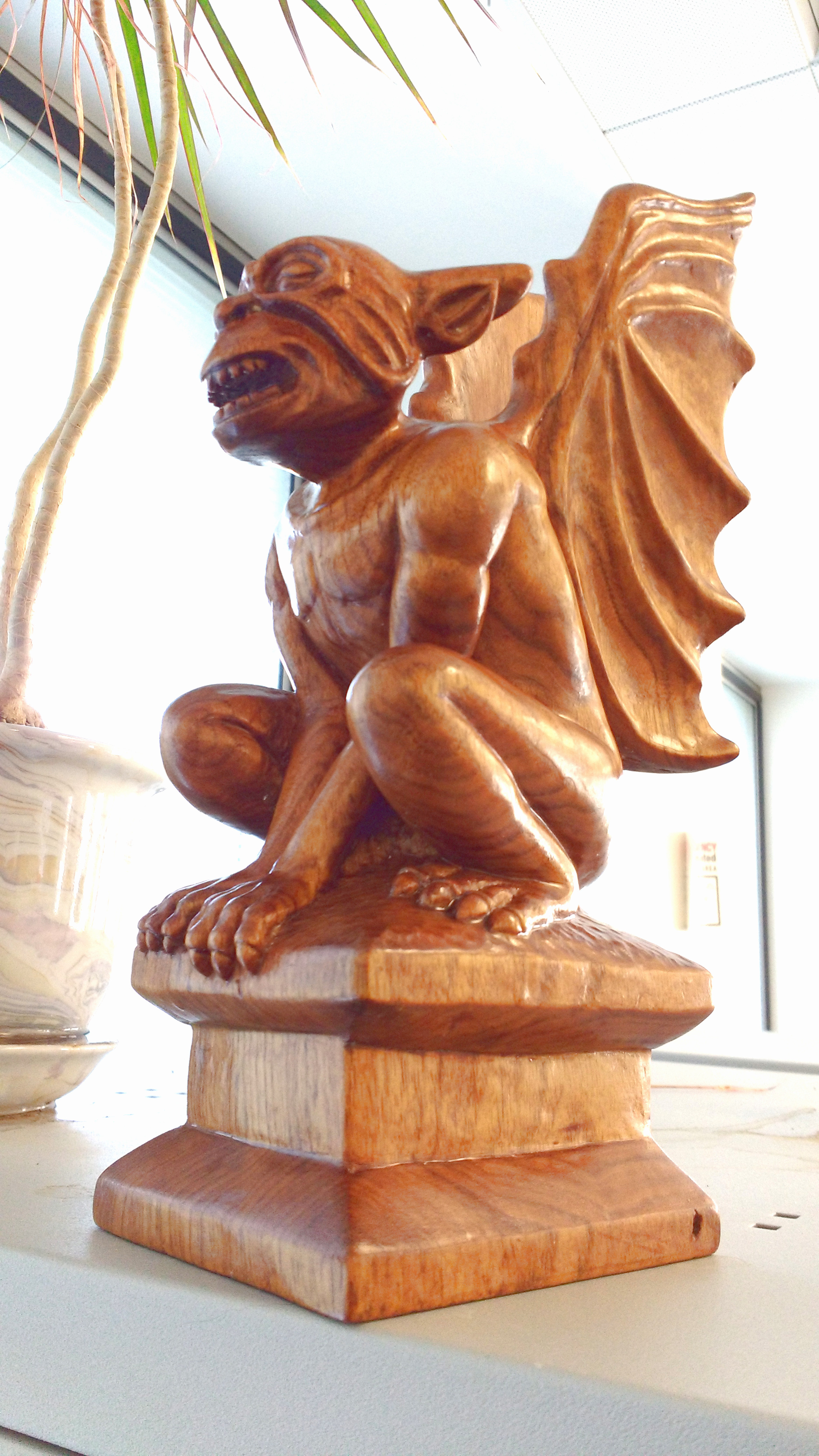
Trefour at work, butternut, 2015
I spent the July 4th weekend at a cottage (or “camp”) not far from Sudbury. Walking in the bush we came across some interestingly shaped spruce. A few hours later and with the help of my Arbortech minigrinder, I was able to give my hosts this bowl. Flip it over and it looks like a foot, but this way up the colours make it look like a seashell.
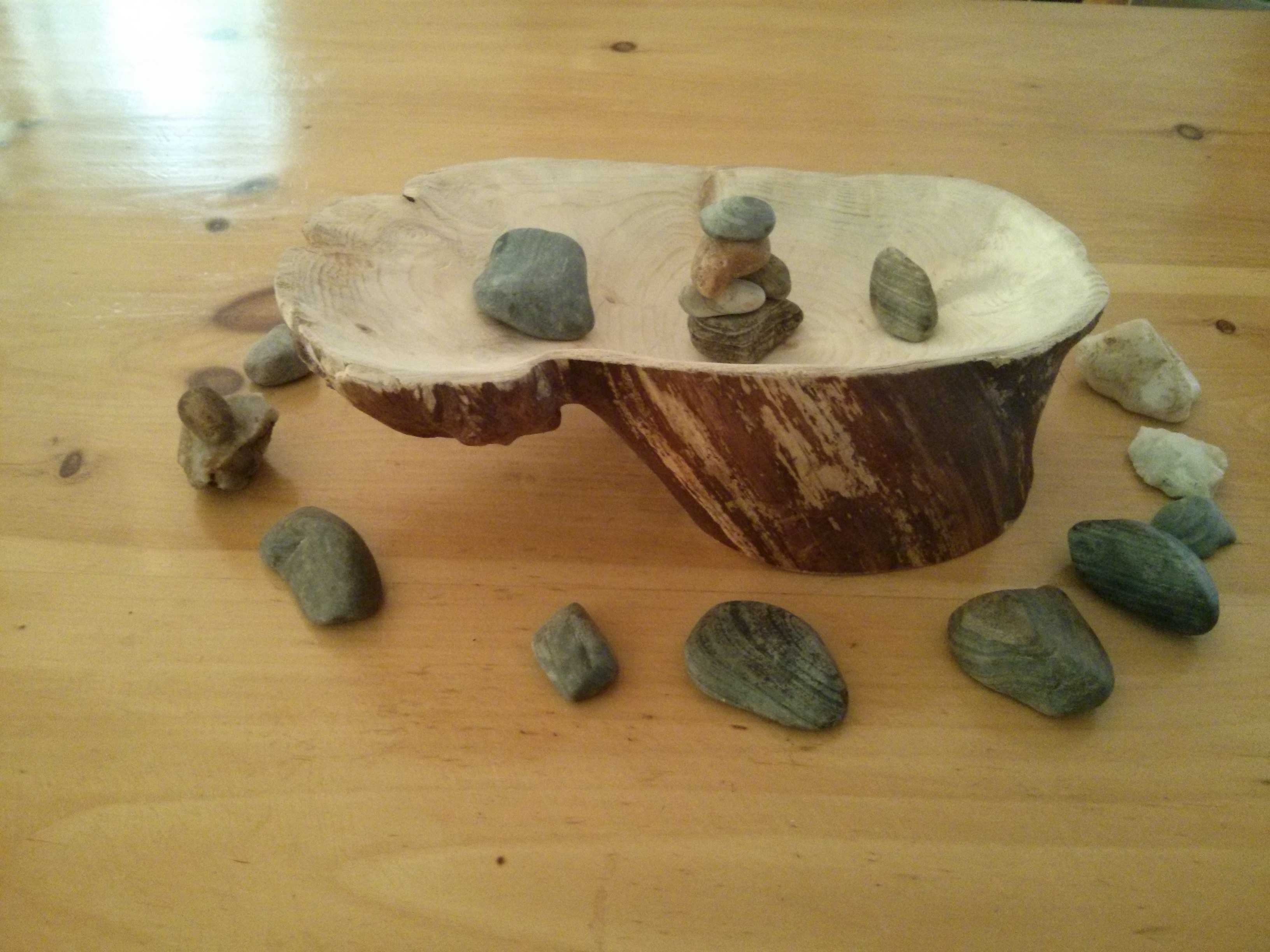
Foot Bowl 1, spruce, July 2015
A little beachcombing yielded the decorative stones.
I carved a couple of these last weekend, while staffing the Ontario Wood Carvers Association’s display table at the Leslieville Tree Festival in Toronto.
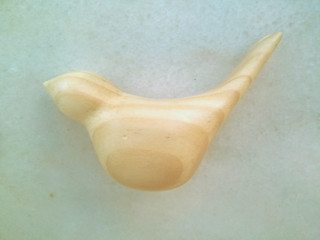
comfort bird
Pennsylvania carver Frank Foust is credited with creating the original comfort bird in 1982. According to this article (with pattern!) from Woodcarving Illustrated in 2011, comfort birds “are often given to those in need, such as the ill, blind, homeless, or elderly, or people in disaster areas … as a token of support and an act of kindness.”
More broadly, they make great stress toys. The rounded shape fits naturally in the hand, and the smooth finish invites stroking.
The pattern I followed is slightly different from the one in Woodcarving Illustrated — and the instructions there are for power carving, whereas I whittled my little guys with hand tools — but key to the success of any comfort bird is the sanding and finishing. Their tactile appeal comes from an absolutely glasslike finish. I sanded through the grits to 320, then buffed my birds with a sanding pad followed by brown paper. I finished with Danish oil, top coated with wax, though polyurethane would work well too.
It’s been far too long since my last post, so here’s a picture of a calla lily spoon I finally got around to finishing last week.
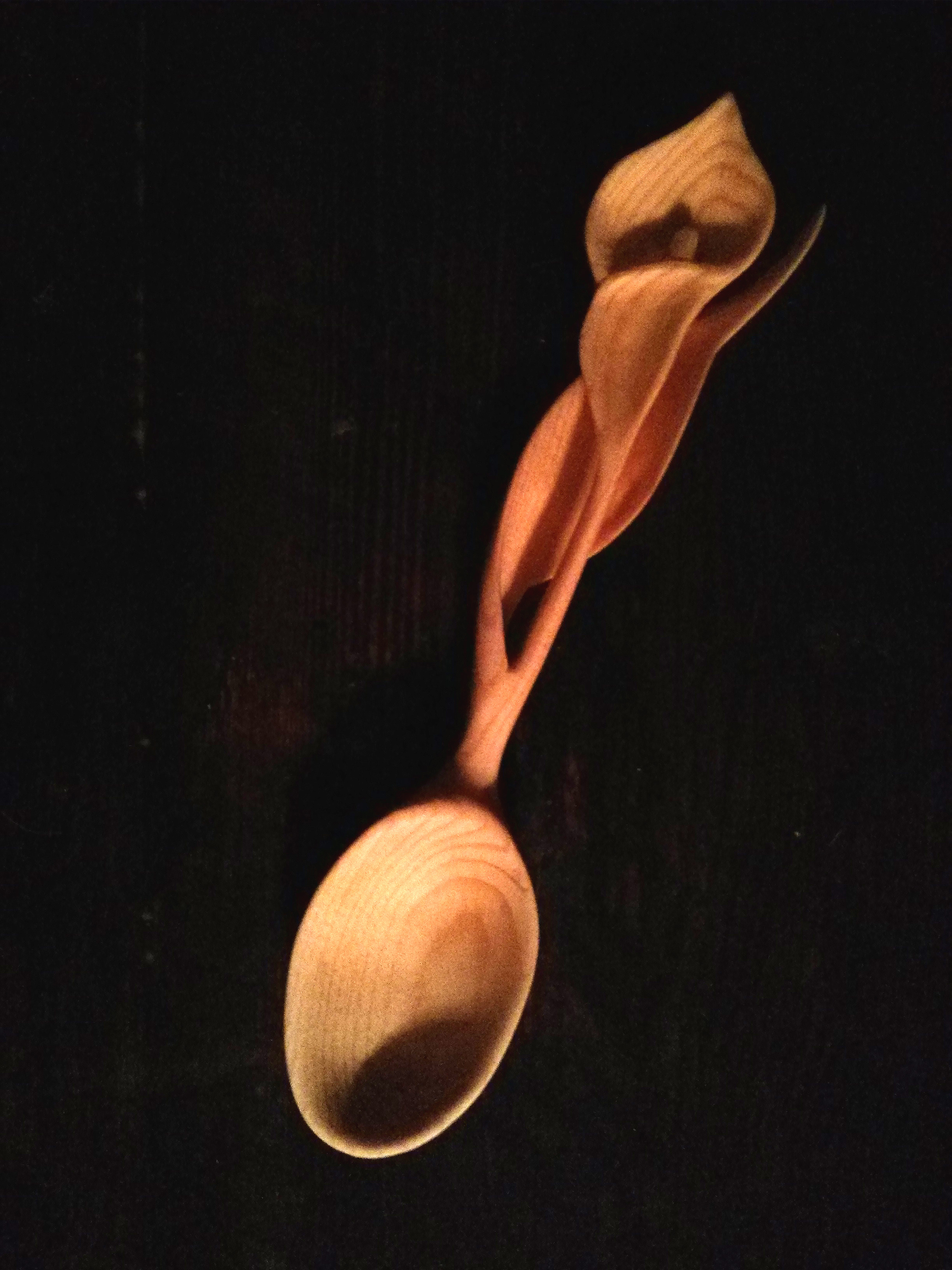
Calla lily spoon
The blank for this was cut by Bill Myette. Bill’s an executive member of the Ontario Wood Carvers Association (shown here working on the Maple Leaf Forever Tree at the Ontario Science Centre).
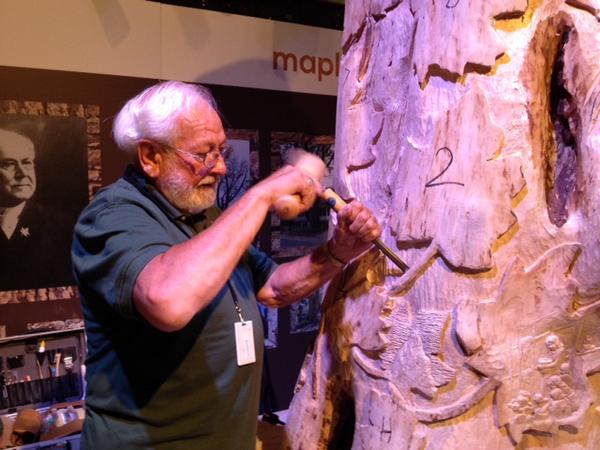
Bill Myette at the Ontario Science Centre
Alongside his larger projects Bill’s an outstanding spoon carver. He’s led spoon carving workshops at the Toronto Tool Library, and you can also find him at many Ontario carving club shows, where he staffs the OWCA booth and sells finished spoons and project blanks. The next of these shows will be the Hamilton Woodworking Show, February 27 and 28 at the Canadian Warplane Heritage Museum. Hope to see you there!
Thanks to the good people at Silver Mile Hardware in Scarborough and Roca Wood Works, I am now selling my carvings. These three spirits are now on display and looking for their new homes.
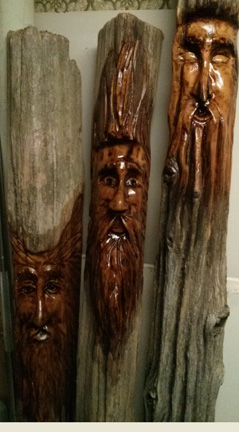
They are carved into century-old cedar fence rails and range in height from 3.5 to 5 feet tall. Finished with indoor/outdoor varnish. The one in the middle has an old ring set into it, which could be used to hang a planter.
More carvings coming soon!
To all readers and followers, happy holidays and all the best for 2015.
 Diamond Carving